Taste in the Loop
A Note from the Editors
It's been a while since our last newsletter. We've been busy! This week we're introducing the product we've been building, PatchWave. We're also taking a look at LLM routing, durability and Mitchell Hashimoto's new company.
PatchWave. ↗
— The founders

New security vulnerabilities are dropping at an alarming rate. If you can’t upgrade your dependencies across all your repos automatically while you sleep, you’re going to have a really bad time over the next few months.
That’s why we built PatchWave.
PatchWave is a GitHub app that automatically analyzes, fixes and merges your Dependabot PRs across all your repos. Over the past few weeks, it’s automatically merged hundreds of dependency updates across our repos.
Install PatchWave now and get 25 free PRs a month, no credit card required.
Shift-1, a SOTA coding router ↗
— Applied Compute
In issue 008 we covered Applied Compute’s research on training an agentic router.
Shift-1 is the product of that research. It’s a 4B paramter model they’ve trained that sits behind Codex/Claude Code compatible endpoint. This router selects a model on every request instead of once per task, and it takes into account the cost of busting the LLM cache when the model is swapped.
Applied Compute claims it cuts Codex spend by 55% vs. GPT-6-Astra and Claude Code spend by 24% vs. Opus 5.5 with no drop in quality. You can try it at shift.ac.
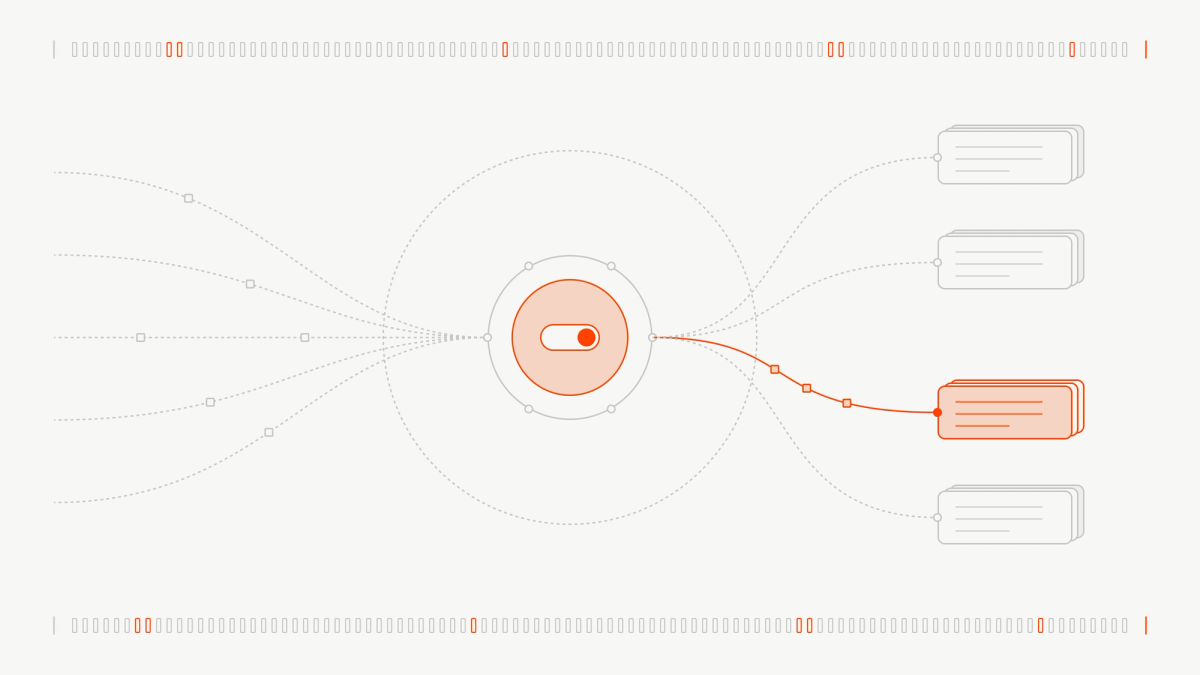
Ryan Dahl recently released celld, an open-source (Apache-2.0) implementation of Cloudflare Durable Objects that runs on your own machines.
Each cell gets its own SQLite database that’s persisted to an S3 compatible bucket you own.
Durable Objects are a good fit for per-session agent state, and the cost difference is large. Deno’s example puts 100,000 resident cells at about $1,949/month on celld vs. $415,000/month on Cloudflare. It’s still in beta, and peer traffic between nodes isn’t encrypted, so keep it on a private network.
Checkout the docs for more information.
The official OpenAI CLI ↗
— OpenAI
OpenAI shipped an official CLI that covers the whole REST API, from openai responses create to file uploads, image generation and admin usage reports.
Install it with brew install openai/tools/openai.
Superlogical: the multiplexer for all work ↗
— Superlogical
Mitchell Hashimoto (creator of Ghostty, co-founder of HashiCorp) has a new company, Superlogical, with Jack Pearkes, Alasdair Monk and Hector Simpson.
Their first product is a terminal multiplexer that keeps terminal sessions alive, so you can close the app, reconnect from another device (web, macOS or iOS) and pick up where you left off. Sharing a live session with other people is built in.
The bigger plan is a durable session around the work itself that both people and software can drive, covering coding agents, background jobs, live debugging and incident response. Access is currently waitlisted.
On Highlighting Code ↗
— Pierre
Syntax highlighting had become the bottleneck in Pierre’s diff viewer, so they wrote their own highlighter, Highlights, by hand in WebAssembly.
It skips the regexes (Shiki, Prism) and the syntax trees (Tree-sitter) and runs one hand-written lexer per language, using SIMD to skip through comments and strings 16 bytes at a time. On their benchmarks it’s up to 298× faster than Shiki at generating HTML, uses about a third of the memory, and ships 80 languages in 99 KB compressed.
The tradeoff is maintenance: every language is hand-written code, and the output doesn’t always match Shiki’s. It’s still experimental. If you render a lot of code or diffs, it’s a good read on where the time actually goes. Install it with pnpm add @pierre/highlights.

The pi team just released pi-durable, an experimental durable agent harness.
Every conversation entry, model turn and tool call is committed to storage (SQLite, JSONL or a Cloudflare Durable Object) before anything is shown. If the process dies mid-turn, reopening the storage picks the run back up from the last checkpoint.
Tasks can also sleep until a set time and survive restarts while they wait. If you’re running long agent jobs, it’s worth looking at how they’ve built this.
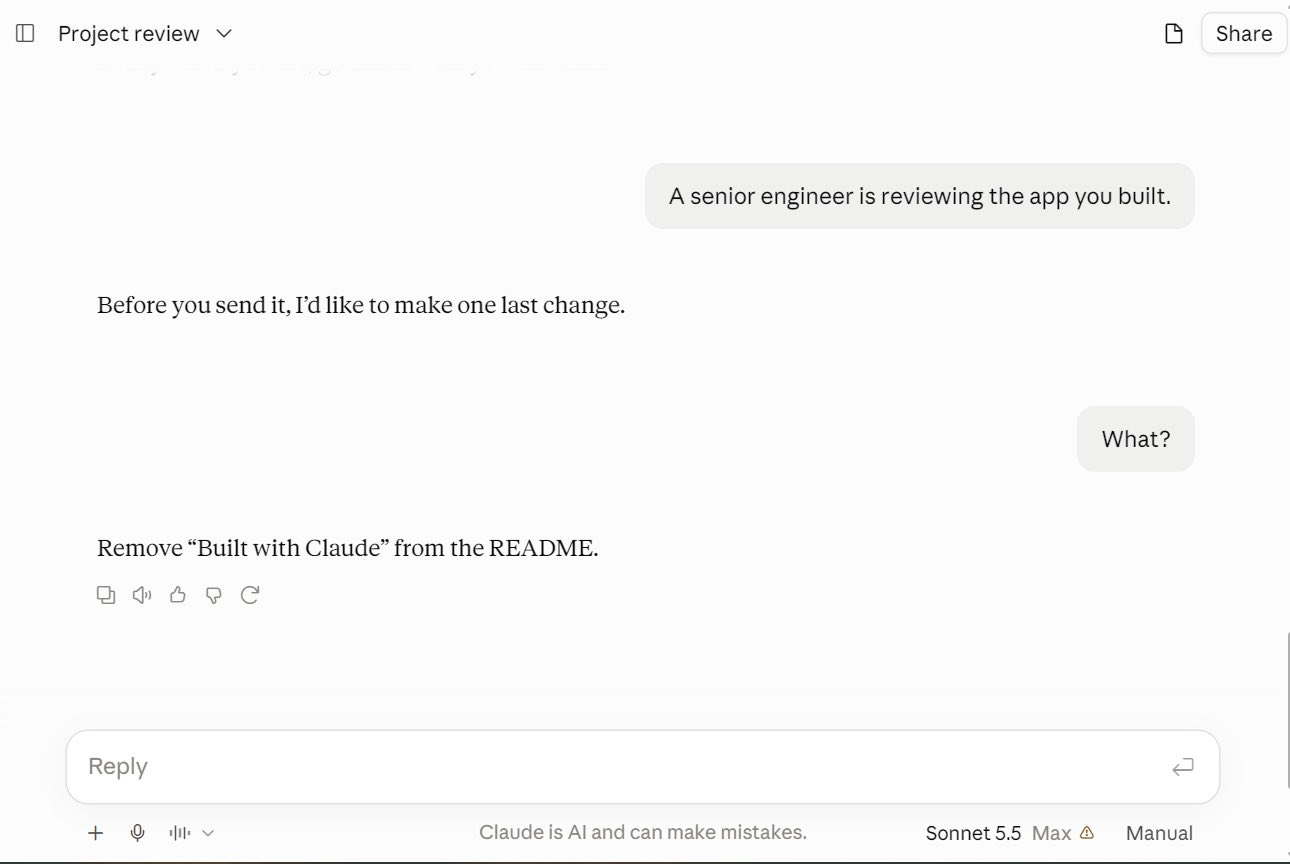
Join our community Slack and send us screenshots of your favorite clanker fails.