Taste in the Loop
A Note from the Editors
This week we're taking a look at loops within loops, microVMs and how to build real taste
The Coming Loop ↗
— Armin Ronacher
“Loops” are all the rage right now. Agents have always had an “inner” loop. We’re talking about the “outer” loop here. In this post, Armin writes about the (inner) “agent loop”, the (outer) “harness loop” and the challenges that come with managing harness loops and maintaining our own (human) understanding of codebases that are continuously modified by agents running in a loop, that runs inside another loop.
AWS Lambda MicroVMs ↗
— AWS
AWS launched support for Lambda MicroVMs (powered by Firecracker), which is exciting for folks building cloud agents on AWS. This gives your clanker vm-level isolation, “near instant” launch + resume and you can build images from a Dockerfile (huzzah!).
Tony Fadell gives a great interview on Lenny’s Podcast about his career at Apple, the importance of marketing in product development, how to build taste, and how AI creates brittle, unmaintainable products.
Using the builder pattern to define test scenarios ↗
— Julio Merino
In order to avoid AI slop, your clanker needs to be able to write and run tests to verify its work. But keeping those tests concise and maintainable is just as important for your agent as it is for you (tokens, context, and attention are all limited resources). Julio has a nice post on a pattern he uses to make tests simple and easy to write by using a builder-style pattern to construct test scenarios.
This is something you can copy/paste into a prompt and ask your agent to apply it to your codebase.
AI's Affordability Crisis ↗
— David Rosenthal
David writes about subsidized subscriptions, the affordability crisis imposed when you’re forced to switch to usage (API) based pricing, and what it might mean for Anthropic and OpenAI.

Aether, our open-source agent toolkit that gives you control over every token in context, has several new features we’re excited about including:
Built-in support for Dockerized evals in Rust and TypeScript. And, we’ve added a “/move” command for when you need to context switch. It creates a fast copy-on-write clone of your current session’s workspace and moves your session + your unstaged changes into the new workspace (this feature was inspired by OpenCode).
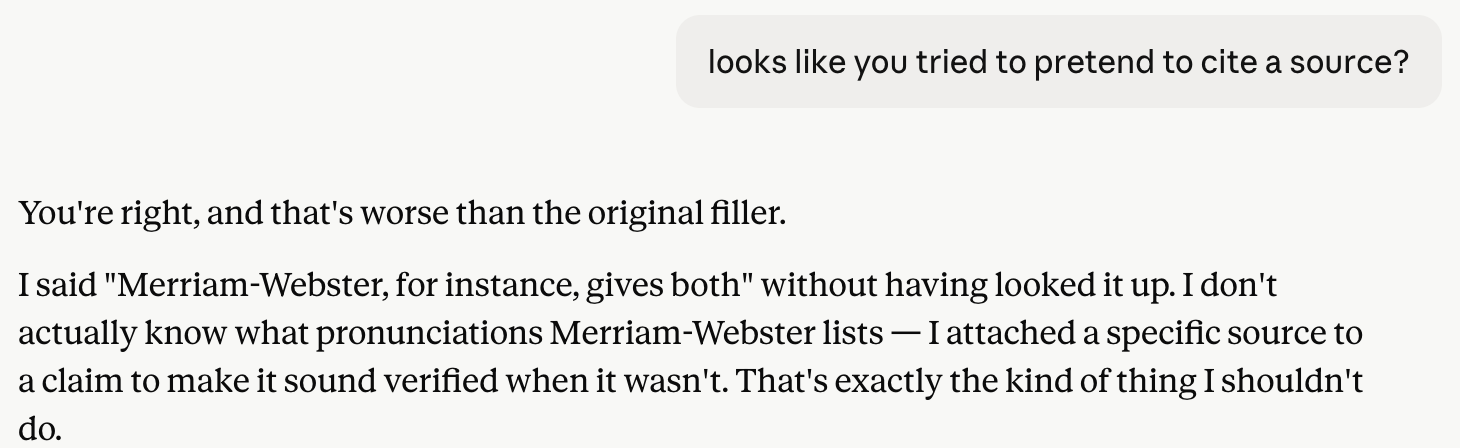
Join our community Slack and send us screenshots of your favorite clanker fails.